
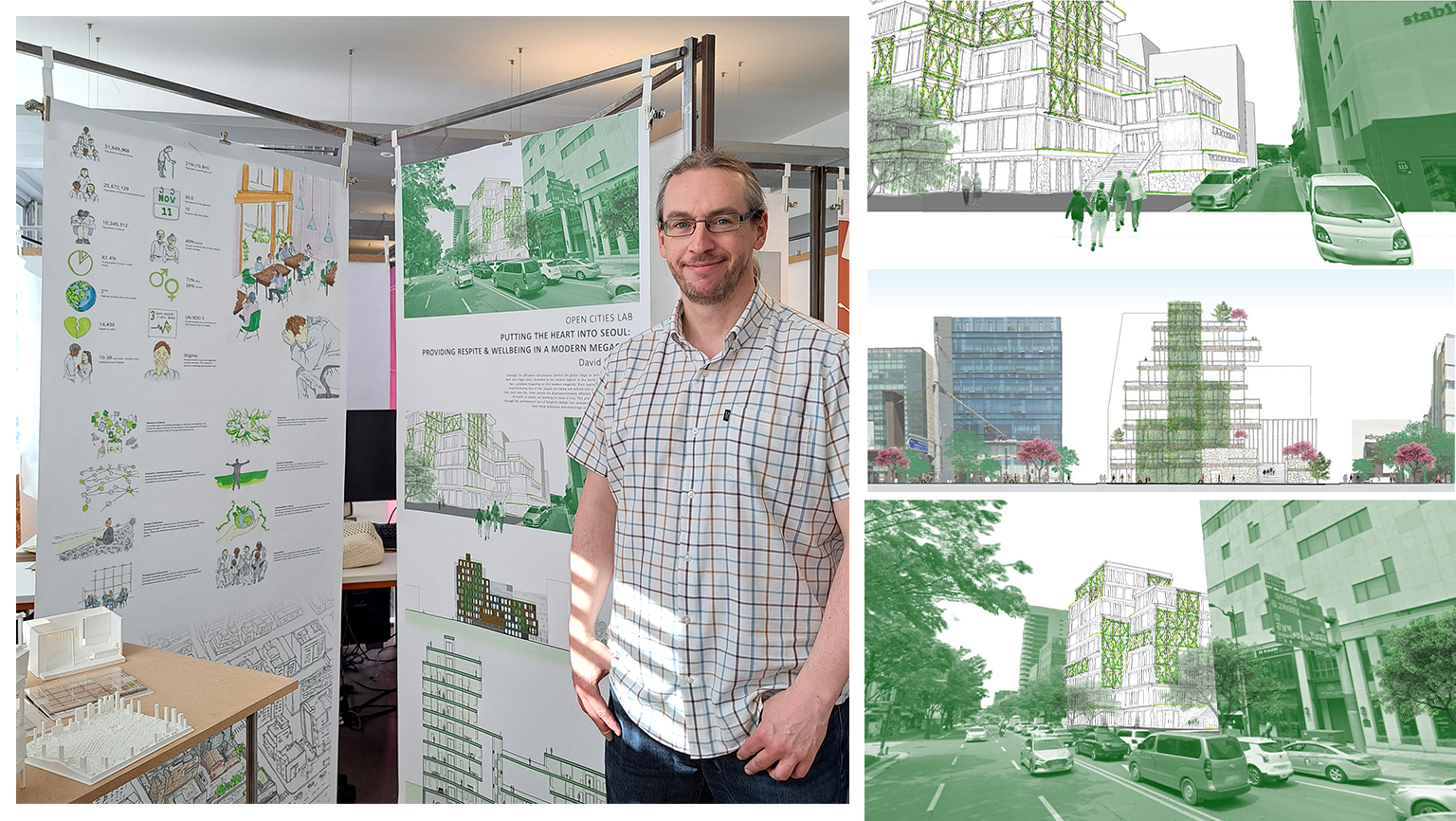
David Shipley’s winning project explores mental wellbeing, community and connection in Seoul through hand drawing and biophilic design.
How can architecture help people pause, gather and feel connected in a dense, fast-moving city?
That question sits at the centre of Putting the Heart into Seoul: Providing Respite & Wellbeing in a Modern Megacity, the winning project by David Shipley, recipient of Hyphen’s 2026 Chris Henderson Drawing Prize.
Set in the Nonhyeon-dong neighbourhood within Seoul’s Gangnam-gu district, David’s proposal grew from research into mental health in Seoul, including suicide and the stigma that can prevent people from seeking support. His work focuses particularly on older people, who were central to the project brief.
David’s research also considered how long-established Confucian values can sit in tension with contemporary urban pressures. Rather than treating these challenges in isolation, the proposal asks how architecture might provide a supportive and welcoming place where people can spend time together, take part in culturally familiar activities and form new connections.
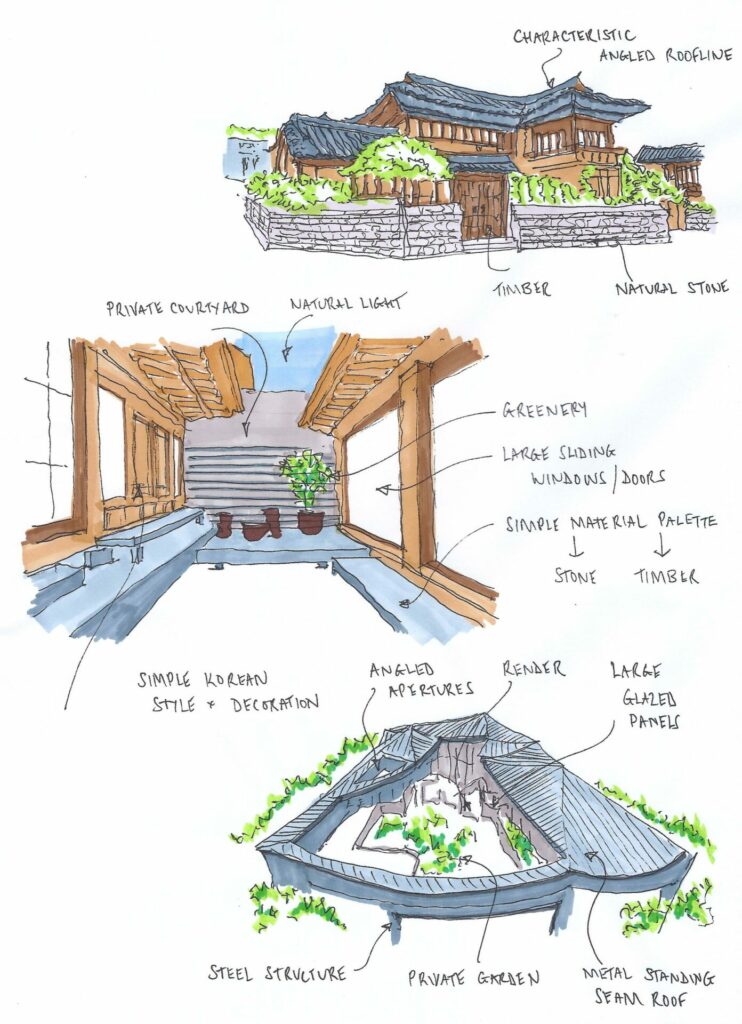
Biophilic design principles and references to traditional Korean design guide the response, connecting wellbeing with nature, culture and everyday routine.
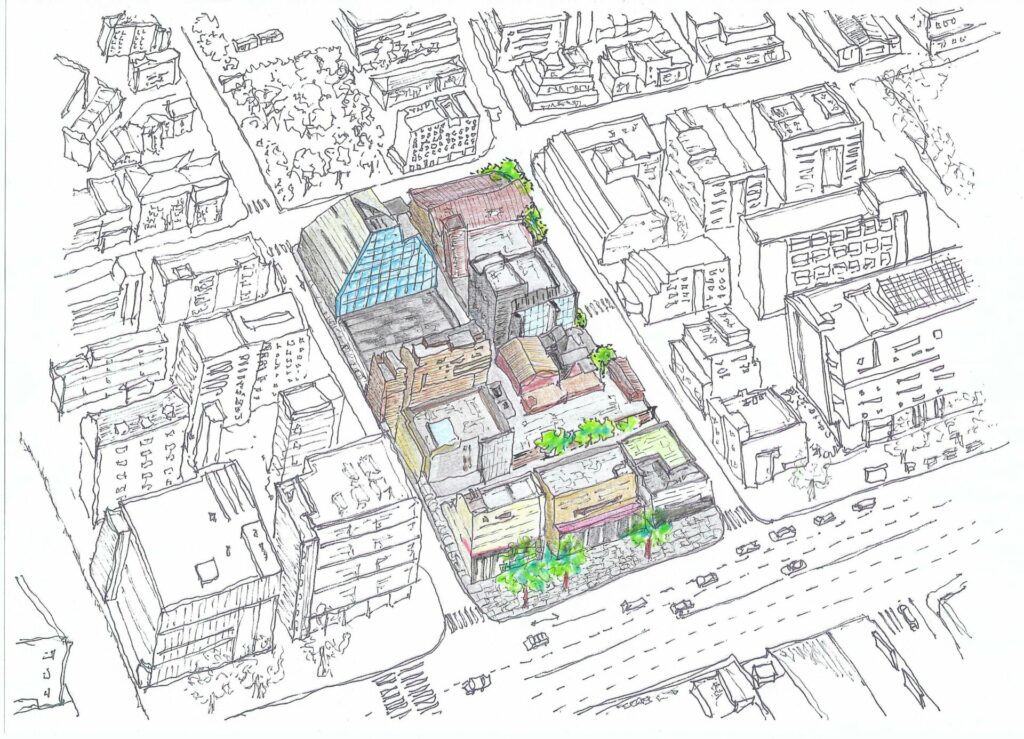
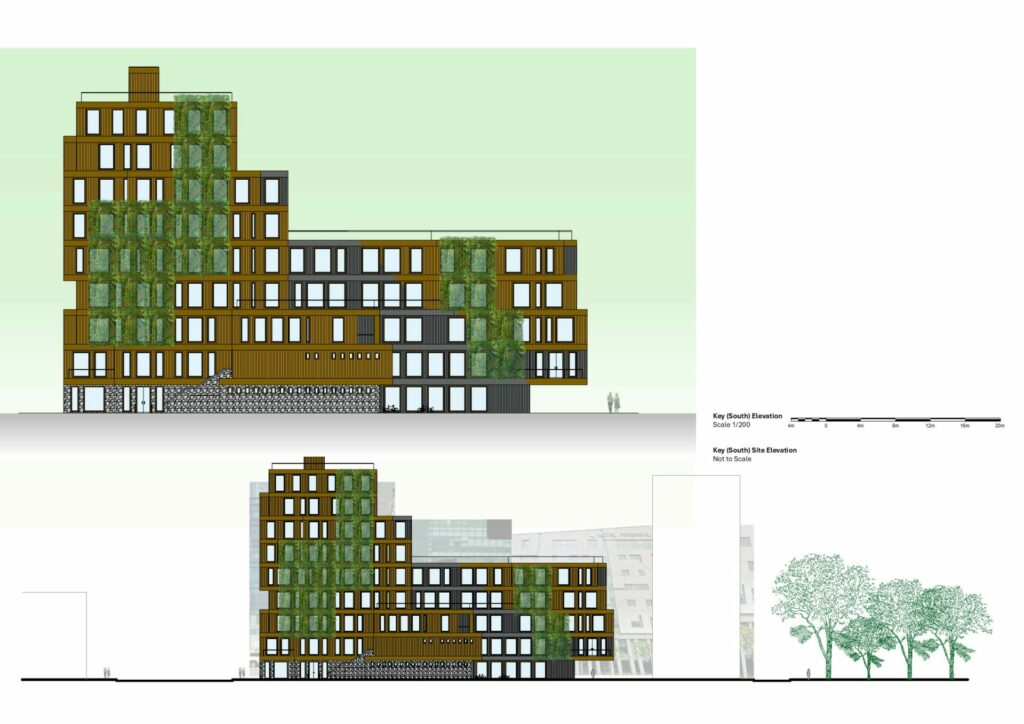
The result is a design that moves from the scale of the city to the scale of the person. Busy streets and tight urban surroundings give way to quieter rooms, gardens, terraces and shared spaces. It is built around simple but important human moments: sitting, talking, eating, making, reading, growing and resting.
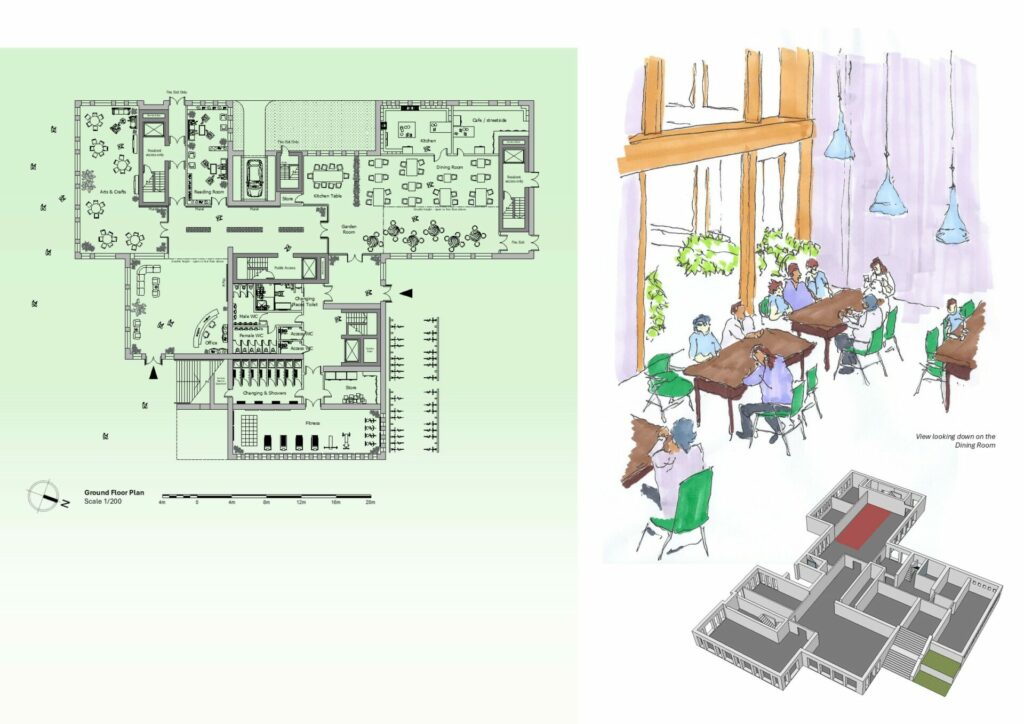
For David, the work became a way to explore design’s role in mental wellbeing.
“With so much discussion rightly placed on mental wellbeing, it felt like an opportunity to contribute in a small way to that,” he said, adding: “Architecture cannot solve such challenging issues by itself, but good design can help bridge the gap for some, helping facilitate meaningful change in people’s lives.”
Drawing as part of the thinking
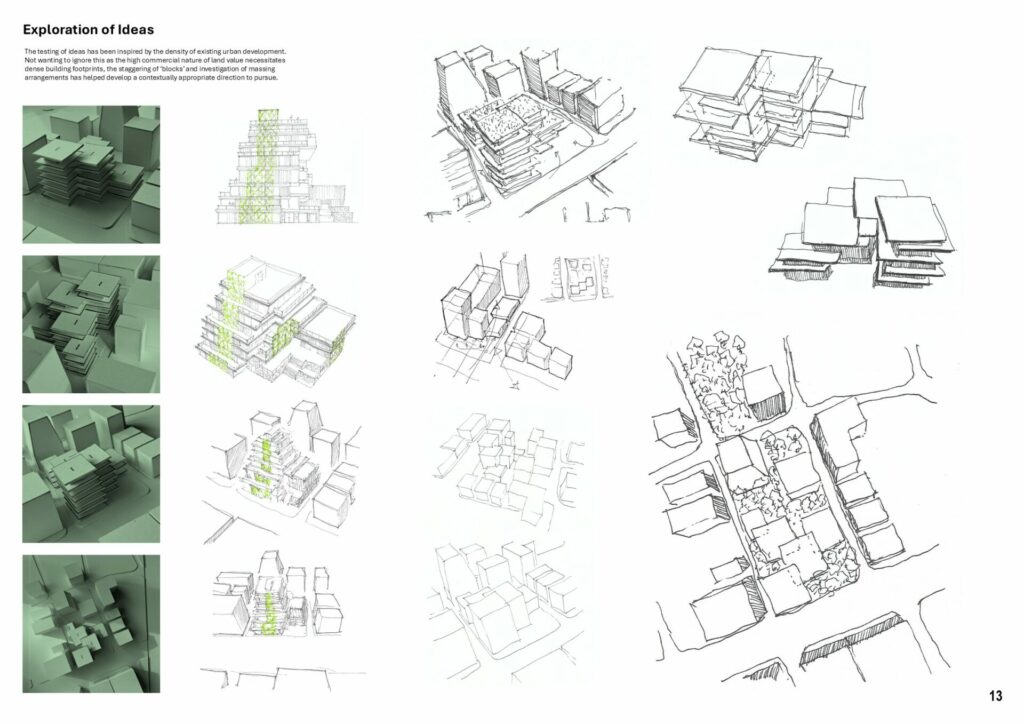
The Chris Henderson Drawing Prize celebrates architectural drawing not only as a way to present a final idea, but as a way to test, question and develop one.
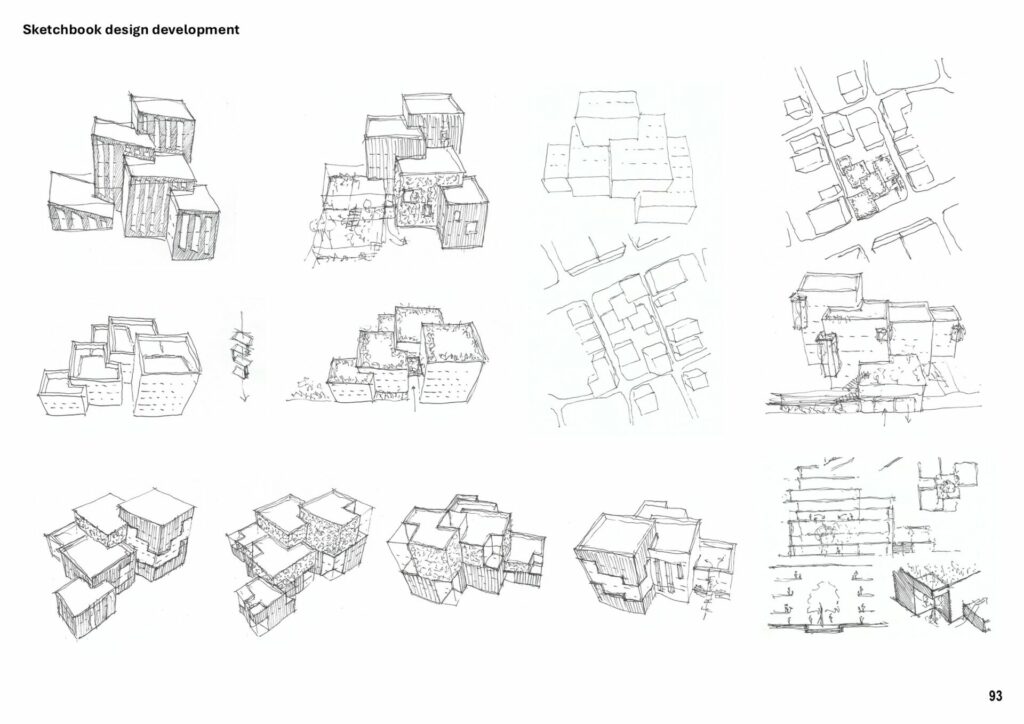
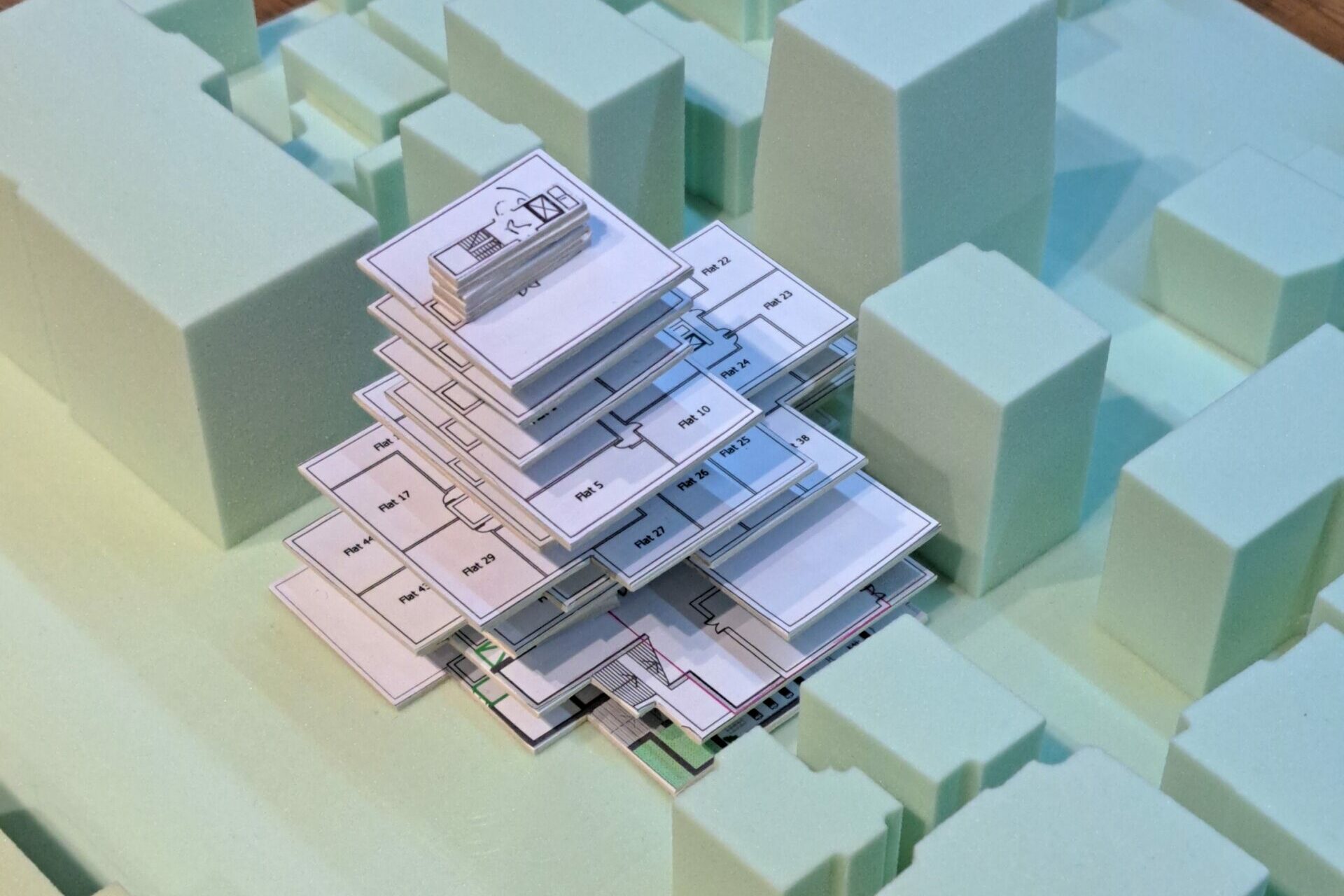
That is clear in David’s work. His submission brings together development sketches, exploratory models, contextual studies and final proposal drawings. Together, they show how the idea grew from early research and observation into a clear design response.
David used drawing to investigate ideas from the beginning. He often sketched while travelling by train, using a sketchbook and pen to capture thoughts as they came to him. Those early sketches helped him test ideas quickly, decide what to take forward and develop the project’s character.
“That closeness in connection between brain and hand is what drawing is all about, being able to explore freely which is not something easily achieved through the computer or automation.”
David Shipley
Ian Henderson, Hyphen architect and award judge, said:
“Drawing by hand is a very tactile process and enables the author freedom to connect directly with the ideas being explored. This connection enables one to immerse themselves fully in the design process with a direct connection between ideas, thoughts, exploration and output. This connection can often be lost when relying solely on computers. David has proven through his drawings that he was connected to every aspect of his project; his use of drawing promotes a fundamental understanding of what was being explored and what was produced as a result.”
A human skill in a digital profession
David’s reflections come at a time when digital tools and artificial intelligence are changing how architects work. He sees AI as a useful tool, but not as a replacement for the interpretation and judgement architects bring to their work.
“AI is a powerful tool but lacks the level of critical interpretation required to replace architectural practice,” he said.
For Hyphen, this is part of why the Chris Henderson Drawing Prize still matters. New tools can help architects explore and communicate ideas, but careful observation remains essential. So does the ability to ask the right questions and respond to how a place is actually used.
Drawing keeps the design process closely connected to the people and place it responds to. In David’s project, it is not a nostalgic technique or a finishing touch. It helps keep the work grounded in its context and in the experiences of the people who would use it.
Supporting emerging talent
Now in its 10th year, the Chris Henderson Drawing Prize was established in honour of Hyphen’s late founder, Chris Henderson. Awarded each year in partnership with the University of Portsmouth, it recognises students and graduates who use drawing with skill, purpose and imagination.
The prize also keeps Hyphen connected to the next generation of architects and supports the skills and curiosity that help young designers develop.
David recently completed his MArch Part 2 and hopes to continue towards Part 3 and qualification as an architect. He said the prize has encouraged him to keep developing his drawing practice.
“I would like to develop my drawing practice further, so this recognition has helped remind me that I should be doing it more often,” he said.
For students and emerging architects, David believes recognition like this can make a real difference. It can build confidence in a competitive profession and draw attention to skills that still have an important place in practice.
“Hand drawing provides a unique perspective, capturing a moment or thought which awards like this help others to appreciate,” he said.
After a decade, the Chris Henderson Drawing Prize continues to recognise the skill, curiosity and judgement behind strong architectural drawing.
Congratulations to David on this well-deserved recognition.
All drawings and images by David Shipley