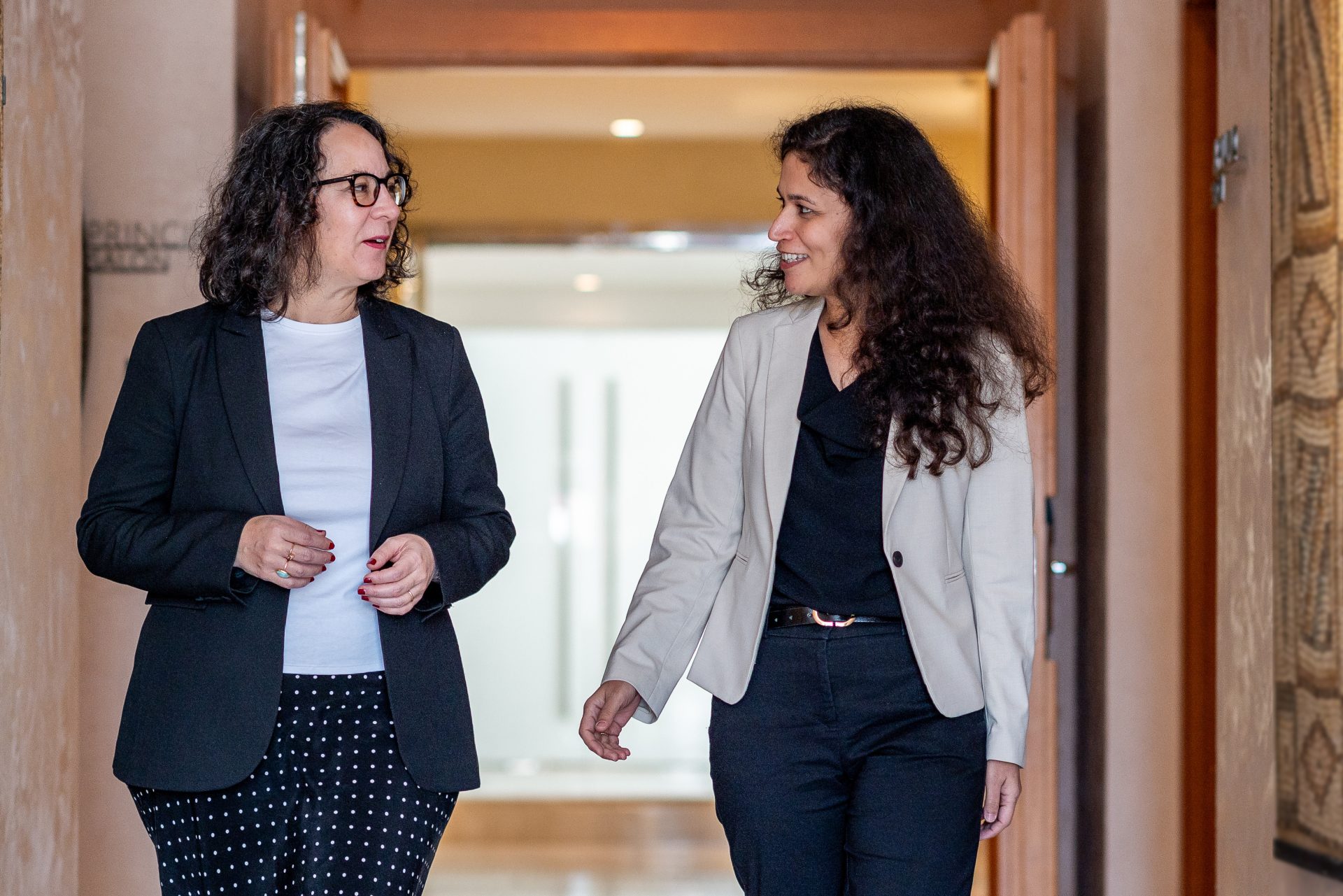
The commercial potential of a retail or mixed-use development depends on understanding its market and how people will use it. Hyphen CEO Eva Diego and Bhavna Muttreja Jain, who leads our Mumbai team, consider the local knowledge and technical expertise needed when planning these developments in India.
Physical retail needs to give people reasons to visit when products are readily available online. In India, consumers increasingly expect destinations that combine several uses.
“We start by looking beyond the retail offer itself and considering how people will use a place throughout the day,” says Eva Diego.
Food and drink, public spaces, cultural activities and leisure can all give people reasons to spend time in a place and return.
Understanding the market before choosing the format
Feasibility is a particular challenge in emerging Indian markets. The location, the people a development will serve and its tenant mix all need to be understood when assessing commercial viability.
“Successful formats from metro cities cannot be blindly replicated in Tier II and Tier III cities without considering local context and demand,” says Bhavna Muttreja Jain.
Increasing spending power, changing aspirations and infrastructure development create opportunities in these cities. However, design needs to respond to local demographics, spending patterns and culture. In some locations, food, drink and opportunities to socialise may attract more visitors than shopping alone.
These differences have practical implications. The development’s scale, routes and communal spaces need to suit the city and how people use its spaces. Finding the way around should also be straightforward.
Making different uses work together
“Retail, hospitality, workplaces, leisure and residential elements should complement one another and generate activity at different times of the day,” says Eva.
Accessibility, comfort, safety and connections between spaces all need consideration.
There is also growing demand for developments that feel more human in scale and more closely connected to everyday life. Responding to local communities’ needs, culture and aspirations can contribute to a development’s success.
Spaces also need to be flexible enough to accommodate new retail concepts, emerging brands and changes in consumer behaviour.
Combining technical expertise with local know-how
At Hyphen, our architectural advice draws on technical experience across markets and our Mumbai team’s local know-how. We bring these together to respond to the client’s brief.
“In India, we’re working closely with our clients to understand their specific requirements, programme, local regulations, planning and commercials,” says Bhavna.
Design must account for building by-laws specific to each state and city, as well as the National Building Code.
Eva Diego and Bhavna Muttreja Jain explored these subjects in an interview with IndiaRetailing.com.
Planning a retail or mixed-use project in India?