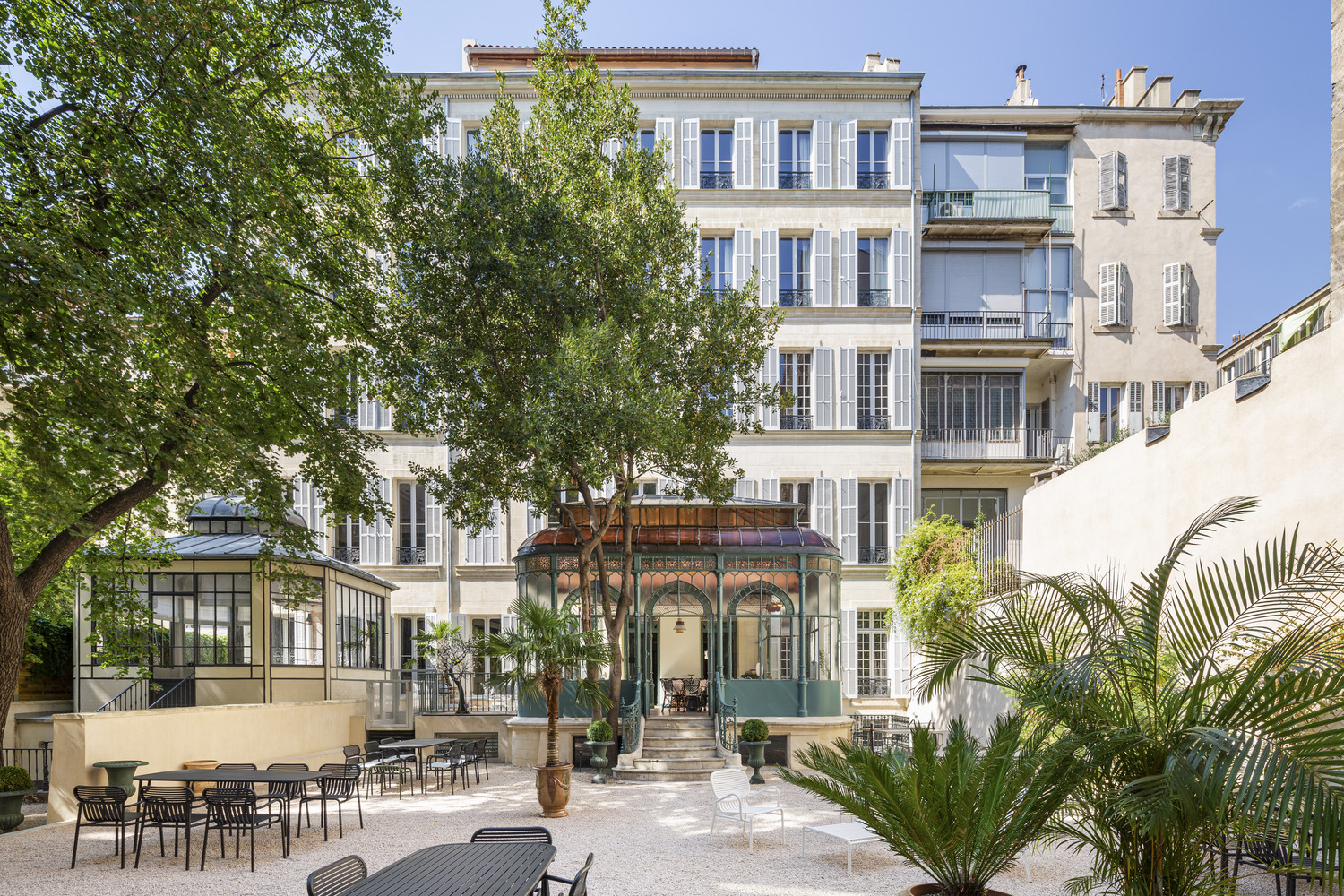
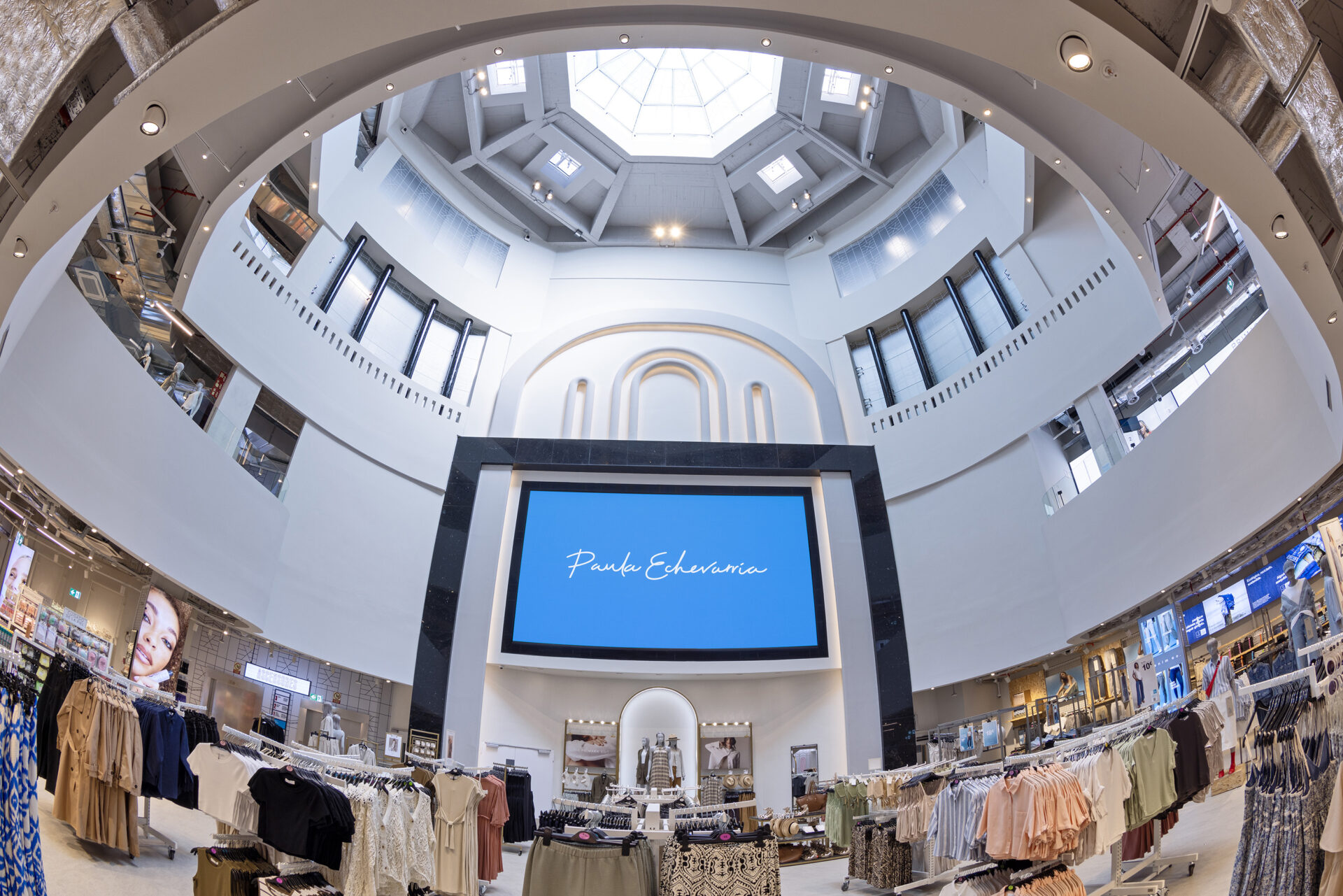
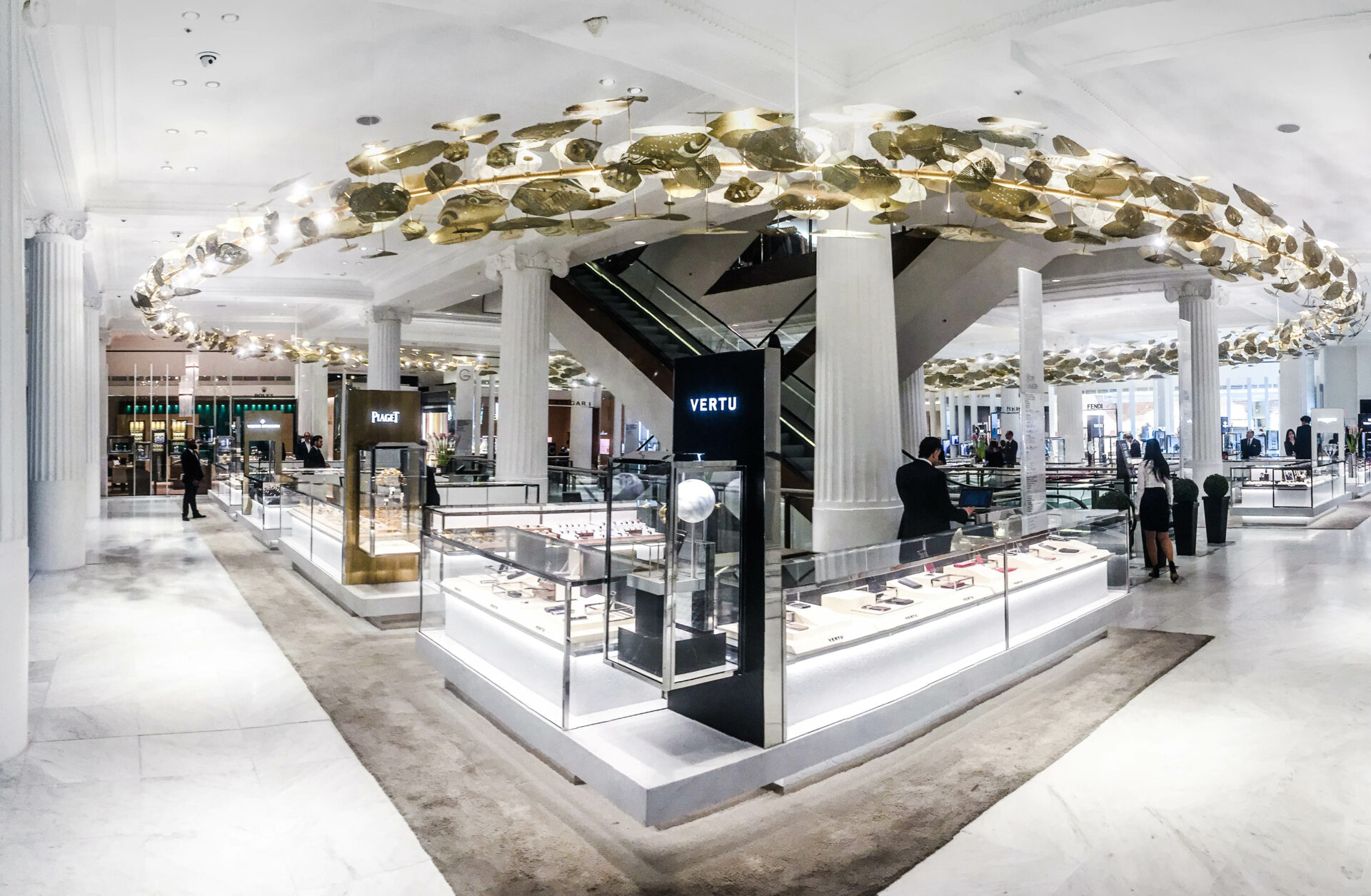
Re-use has become the default starting point for site selection, as environmental and social considerations are no longer optional. As well as adding character and history, a retro-fitted or re-purposed asset can use up to 40% less embodied carbon than a new-build.
Asset managers tell us they want their properties to comply with carbon and energy regulations, while also satisfying the growing public interest in historic architecture, the need for integrated modern systems, and return on investment. A good conservation-minded architect listens and has a good understanding of these needs. They know how to integrate new services and operations, while protected features and character are preserved. They provide options and offer solutions.
It is important to conduct in-depth analysis for this type of project, advising investors on available options, as well as risk factors and complications. These issues can vary although could include inherited defects, like uneven ceiling heights, irregular structural grids, or difficulty in the integration of modern plumbing or electrical systems.
When appointed early, architects add value, advising on early-stage development, site selection, and feasibility. In some cases, retro-fitting or re-purposing may not be the right choice, and the architect will offer alternatives.
Whether you need a cinema to transform into a retail destination, an office into a hotel, a theatre to become a mixed-use development, or make an existing site more efficient and ready for the future, architectural know-how is essential at all project stages, from site selection, feasibility and due diligence, to design concept, project management and completion.
“Across Europe, retrofit has become the default starting point for development, not the exception. Yet too many projects still rush into concept design without fully understanding the existing building. That is where risk enters the system – through untested assumptions, inherited defects and briefs built on optimism rather than evidence.”
“Changing patterns of work, leisure and travel are prompting owners and investors to look again at underused office buildings.”
Olaf Gröger, director at Hyphen
Planning a new retro-fitting or re-purposing project? Expanding to a new region?
We partner with clients across the world on retro-fitting and re-purposing projects, protecting character and history, while adapting for today and the future. Let’s talk.